Back-to-School Learning Supplies Checklist for 2026
School supply aisles look cheerful in July and slightly chaotic by the last week of August. The more useful question isn't what's on sale this week, but what will still be earning its place in the backpack in November. A good supply list does one job well: it removes small daily frictions — a pen that died mid-essay, a folder that never made it home, a laptop sitting at four percent — so attention can go to the actual work.
What follows is a practical checklist for the 2026 school year, split between physical supplies and the digital setup that's easy to overlook. Treat it as a starting point, then trim it against your school's list and what your student already owns.
Take Inventory Before You Buy Anything
Empty the backpack onto a table and sort everything into three piles: keep, replace, and pass along. Click the pens. Cap the highlighters and see if they've dried out. Test the calculator. Flip through last year's notebooks — a spiral with forty blank pages becomes a scratch notebook for math practice or rough drafts.
Do the same with the device. Check storage space, find the charger, and confirm the headphones still work in both ears. Ten minutes of sorting often eliminates a third of the shopping list and prevents buying a second ruler because nobody could find the first one.
Physical Supplies That Earn Their Space
Writing and paper
Start with the specific items your teacher lists, since grade levels and subjects differ. Beyond that, a workable core is two or three pencils, a sharpener, a good eraser, a blue or black pen, a second pen in another color for corrections, two highlighters rather than a twelve-pack, a pad of sticky notes, and index cards for vocabulary or flashcards. One notebook per subject beats a single thick binder that gets too heavy to carry.
Organization
Pick one system and stick with it. Color-coded folders work for plenty of students; a single accordion file works for others. Add a planner if your student will actually write in it — and if the school provides a digital calendar, choose one as the master rather than keeping two half-used systems. A small zippered pouch that lives in the backpack keeps pens, a flash drive, and a calculator from scattering across the bottom.
Backpack, locker, and the small stuff
A water bottle, a light layer for cold classrooms, and a spare pair of headphones cover most of the surprises a school day delivers. If lockers are assigned, a shelf insert or a hook keeps things from becoming a pile. Label anything that will travel between home and school, including the charger.
Digital Supplies Students Actually Use
Devices are only as useful as their setup. Before the first day, log in to every platform the school uses, save the passwords somewhere the family can find them, and create a folder structure in cloud storage by subject. Download reading materials in advance if the commute or a trip involves spotty internet.
Keep one charger at home and one in the bag, plus a spare cable. Wired headphones are still worth having because many schools require them for online testing. Older students doing long writing sessions usually type faster with a mouse or a full keyboard than with a trackpad and thumbs.
If the school issues a device, wait for it. Buying a laptop or tablet before you know the requirement is the most common expensive mistake of back-to-school season.
Then set a few boundaries that protect study time: silence notifications from non-school apps during homework blocks, and keep the device charging outside the bedroom if sleep is already a struggle.
The Back-to-School Checklist
- Daily carry: backpack, pencil case, planner, two pens, two pencils, eraser, highlighter, sticky notes, calculator if required, water bottle, headphones, charging cable
- Paper and notes: one notebook or binder section per subject, loose-leaf paper, index cards, a folder for handouts, a folder marked "return to school"
- Organization: color-coded folders, tape and a marker for labels, a supply pouch, a second set of basics for a locker or a second household
- Tech: charged device, protective case, charger, spare cable, wired headphones, cloud account logged in
- Comfort and health: refillable water bottle, tissues, hand sanitizer, a warm layer, spare glasses or contacts if needed
- At home: a study lamp, a clear surface, a drawer or box for supplies, printer access if assignments come home on paper
Adjust for Grade Level and Learning Needs
Younger students need fewer things and more labels. Teachers in the early grades often supply shared classroom materials, so check before buying forty glue sticks. Middle school is where organization becomes the real subject: color coding, a planner, and a locker stash matter more than fancy pens.
High schoolers need subject-specific tools, and the math teacher should confirm the calculator model before you buy one. Art, science, and design courses may require lab notebooks or drafting supplies that aren't on a general list.
If your student has an IEP, a 504 plan, or a learning difference, ask the school about assistive technology and accommodations before shopping. Noise-reducing headphones, a fidget tool, printed versus digital texts, or an extra set of books at home can change a school year far more than any binder. In some cases the school provides these items; in others you'll need to budget for them.
Shopping Without Overspending
Buy the required list first and fill gaps afterward. Store-brand basics are usually fine, and buying in two or three smaller trips spreads the cost and lets you skip items you turn out not to need. Novelty supplies are the fastest way to waste money; a plain folder does the same job as a patterned one.
Ask the school office what's provided. Many districts supply devices, calculators, or classroom materials, and some run supply drives or assistance programs. If cost is a barrier, saying so is routine and schools have ways to help. For families juggling several children, a shared household supply bin — scissors, glue, tape, rulers — cuts duplicate purchases.
The First Week: Making It All Useful
Supplies only help if they're set up and reachable. Spend an evening on these steps:
- Label everything that leaves the house, including chargers and water bottles.
- Log in to each school platform and bookmark the ones used daily.
- Set up the homework spot: light, an outlet, a clear surface, and a tray for devices.
- Print or photograph the class schedule and post it where mornings happen.
- Run a fifteen-minute Sunday reset on the backpack — old papers out, fresh paper in.
Then ask one question at the end of the first week: what felt harder than it needed to be? The answer usually points to a missing folder, a dead battery, or a planner nobody opens. Fix that one thing, and the rest of the list starts doing its job.
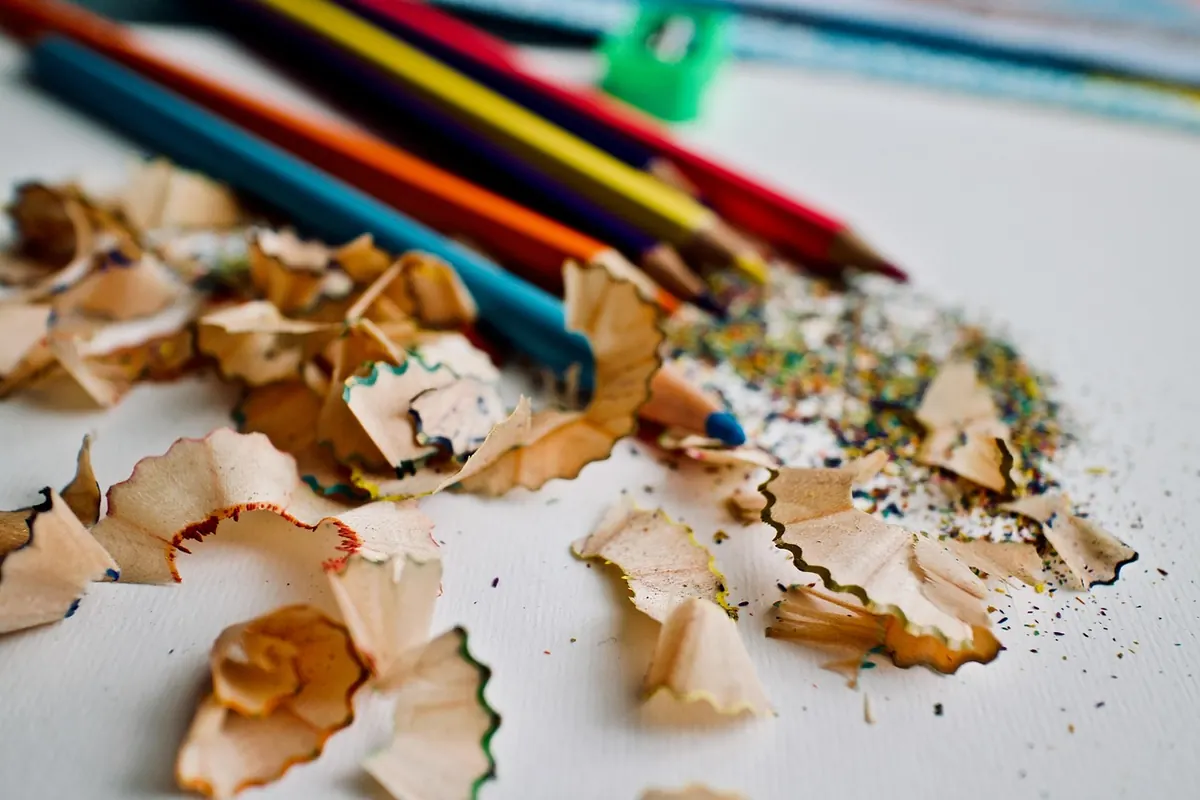
Photo: sweetlouise / Pixabay
In-Person vs Online Tutoring: A Comparison for Busy Families
A practical comparison of in-person and online tutoring for busy families, covering engagement,...
How to Find a Tutor for Your Child: A Parent's Beginner Guide
A practical guide to choosing a tutor: defining the problem, comparing options, asking the right...
About Us